Monthly Archives: March 2026

Product Offering: What It Is and How to Create It

VN:F [1.9.22_1171]
Rating: 5.0/5 (1 vote cast)


A product offering is not merely the product you sell—it’s the end-to-end experience customers enjoy, from finding your product to getting help long after they’ve bought it. It encompasses everything related to the product, including features, pricing, packaging, services, and even values. Getting this right differentiates you in a competitive market.

While numerous products launch each year, nearly 95% fail. Often, this happens because brands focus narrowly on the tangible item rather than the broader offering. By crafting a compelling product offering—one that extends beyond the product itself—you create multiple touchpoints that can attract, retain, and delight customers.

Specialty Offerings

Niche, high-perceived-value goods (e.g., luxury watches, sports cars). Highlight exclusivity, premium branding, and personalized experiences.

Convenience Items

Daily low-effort goods such as snacks or household items. Highlight convenience—shelf-ready packaging, on-the-go form factor, or rapid delivery.

Types of Product Offerings

Understanding what type of offering you’re crafting helps tailor your strategy:

Unsought Offerings

Products customers don’t seek out until they need them—such as first-aid kits or insurance. Offer reassurance through guarantees, assistance, and trust-inducing communication.

Core Elements of a Robust Product Offering

An excellent product offering combines several essential elements—here’s what to emphasize:

Product & Features: The tangible or intangible centre is critical. Emphasize what makes it stand out—new technology, eco-friendly materials, or distinctive benefits.

Shopping Items

Big-ticket or research purchases such as smartphones or kitchen devices. Distinguish with extended warranties, comprehensive accessories, or packaged services.

Pricing: Determine positioning through pricing—budget, mid-tier, or premium. Decide if you’ll use one-time purchases, subscriptions, or packages.

Attached Services & Add-Ons: Enhance your product with extras—such as batteries included with toys or complimentary tailoring for apparel.
Customer Service & Warranty: Ongoing support—be it troubleshooting, maintenance, or generous warranty terms—drives loyalty and trust.

Subscriptions or Memberships: Provide recurring services—refills, feature upgrades, memberships—that promote stickiness.

Exclusivity: Limited releases or early-access drops create a sense of urgency and belonging among consumers.

Delivery & Packaging: First impressions count. Think of packaging as part of the brand expression—bold colours, luxury unboxing, or eco-friendly materials.

Sustainability: As consumers become more environmentally aware, using recycled packaging or carbon-neutral shipping can support premium pricing and secure dedicated buyers.

Advantages of a Complete Product Line

Competitive Advantage: Two companies might sell identical devices—but providing free installation, assistance, or elegant packaging can swing the decision your way.

Increased Perceived Value: Upgrades such as warranties, subscriptions, or premium unboxing enhance perceived value—although the core product is not necessarily different.

Higher Customer Loyalty: A comprehensive offer fosters brand loyalty, drives repeat purchases and increases the likelihood of referrals.

Room for Differentiation: With saturated markets, your offer (not the product) is the differentiator.

Use this structured process to develop offerings that engage:

  1. Define Your Product & Core Features

Identify the leading value—what pain point does it address? What fundamental specifications or design decisions do it differently?

2. Put Customer Support & Warranty Policies in Place

Determine whether to provide live chat, returns, lifetime warranties, or service programs. Even post-purchase surveys improve the experience.

  1. Design Packaging & Delivery Experience

Let the unboxing experience resonate with your brand—simplified, eco-aesthetic, lively and playful, or high-end—package to protect and delight users.

  1. Package Services & Add‑Ons

Pick add-ons relevant to your product and market: gift wrapping, longer warranties, tutorials, personalization, or packaged products. Add value to the product and perceived value.

5. Discover Subscriptions or Memberships

If applicable, provide ongoing packages—such as monthly replenishment, member benefits, or special content.

6. Set a Strategic Pricing Model

Determine a price which matches brand positioning—premium, mid-market, or value. Consider the cost, margin, and customer’s willingness to pay.

  1. Create Exclusivity & Scarcity

Offer limited releases, early versions, or member-only products to fuel desire and loyalty.

  1. Incorporate Sustainability & Purpose

Emphasize green initiatives, such as recyclable materials, zero-waste packaging, or carbon offset shipping, to attract socially conscious shoppers.

9. Begin with Customer Insights

Understand customer pain points, motivations, and expectations. Conduct interviews, surveys, and usability testing to inform every element.

  1. Test & Iterate

Execute pilot launches with varying prices, service levels, and packaging aesthetics. Employ A/B testing to collect evidence and iterate on your offering. 

Building a Cohesive Product Offering: An Example

Consider launching an artisanal tea business:

  • Product & Features: Single-origin, hand-picked teas.
  • Packaging: Reusable tins, contemporary minimalist branding.
  • Pricing: High-end tier with expertly curated blends.
  • Add‑Ons: Free infuser and brewing guide.
  • Delivery: Quick shipping with tiered gift-wrapping choices.
  • Subscription: Monthly curated “flavor discovery” boxes.
  • Warranty/Support: Remedy policy for quality defects.
  • Exclusivity: Restricted seasonal blends.
  • Sustainability: Carbon-free delivery and reusable packaging.

By bringing these fragments in balance, you transform a straightforward tea product into an unforgettable way of life.

Takeaways

A robust product offering is more than the product itself—it’s the complete, meaningful experience customers enrol in. It’s your opportunity to add brand voice, justify pricing, and incorporate values such as sustainability or exclusivity.

Begin by truly understanding your customers and what they value. Then, package tangible and intangible attributes—such as nice packaging, service, periodic services, and socially responsible practices—into a coherent, differentiated product. Pilot your offer, get feedback, and iterate until every element enhances the whole value.

Today, in this competitive marketplace, the advantage belongs to brands that sell not more products but complete experiences. That’s how you create loyalty, differentiate, and turn what you sell into something people love.

VN:F [1.9.22_1171]
Rating: +1 (from 1 vote)

How to Grow Your Business Using Benefit Segmentation

VN:F [1.9.22_1171]
Rating: 5.0/5 (1 vote cast)

Benefit Segmentation
All customers want something specific from your product—comfort and convenience, ethical sourcing, or performance. Benefit segmentation allows you to find these unique needs and communicate in a way that resonates with them. It segments consumers by the precise benefits they seek in a product or service.

By segmenting your audience in this manner, you can craft more effective marketing campaigns, inform wiser product development, and excel in competitive markets.

Introduction to Benefit Segmentation

Benefit segmentation is a marketing strategy where prospective buyers are segmented according to what motivates their buying choice—the value they anticipate. With customer information such as reviews, feedback, surveys, and buying behavior, you categorize clusters of customers who highly value specific characteristics: quality, price, convenience, sustainability, performance, etc.

For instance, a company such as Taza Chocolate would discover that specific customers adore its cacao sourcing ethics, and others simply like the taste. Benefit segmentation enables them to create separate campaigns for each.

Why Benefit Segmentation Is Essential

Effective use of benefit segmentation provides several benefits:

Improved satisfaction and loyalty: Customers who feel understood become more satisfied and loyal.

Improved product development: Understanding priorities such as eco-friendliness or longevity better inform feature choices and innovation.

Competitive differentiation: Positioning value around a particular segment—such as emphasizing sustainability or functionality—distances you.

Improved conversion rates: Tailored pitching to clearly defined needs converts better.

More opportunities to cross-sell and upsell: Knowing a customer’s appreciation for convenience or security enables you to provide complementary products based on those benefits.

These advantages result in higher profitability and greater brand loyalty.

More effective marketing: Targeted messages that resonate with consumers’ underlying drivers enhance relevance and performance.

Benefit Segmentation: Working Process with Examples

Examples in the real world illustrate its strength:

BMW: Provides luxury for status seekers, sporty performance for thrill and adventure, and green models—each resonating with unique customer aspirations.

Evian: Sells premium Alpine water as a high-end product, provides eco-packaging for environmentally conscious buyers, and children’s versions for parents.

Samsung: Develops messages such as “Do bigger things” for young people (camera and features) and “Designed for humans” for professionals (usability and battery).

Nike ZoomX: Runners purchase the shoe for functionality, but others select it for appearance—two segments on one product.

Nespresso: Appeals to coffee aficionados who want café-quality taste and convenience users who desire ease of brewing—two different drivers.

These illustrations demonstrate that with benefit segmentation, you won’t require various products for each segment—just messaging that addresses their values directly.

How Businesses Can Implement Benefit Segmentation

Business Using Benefit Segmentation

Use this systematic process:

  1. Segment by Key Benefits

Segment customers by underlying needs—sustainability, longevity, quality, ease of use, performance. Create rich personas with demographic and psychographic data.

  1. Develop Segment-Specific Offers

Different segments may want different bundles or editions: for example, eco-packaging for sustainability-minded customers and performance upgrades for tech-savvy users.

3. Conduct Market Research

Poll consumers, scan reviews and sales reports, and monitor social media to learn what drives demand. Determine which traits—taste, comfort, price—customers value most.

  1. Monitor & Analyze Results

Track metrics like conversion rate, repeat purchase, and average order value at the segment level. Identify what works and optimize messaging accordingly.

  1. Iterate & Expand

As tastes change, refresh segments and roll out new campaigns. Product upgrades should reflect your highest-performing segment’s values.

6. Message & Campaign Tailoring

Craft separate promotional messaging for each segment. Emphasize quality and longevity for material-driven consumers; emphasize low price and value for budget shoppers.

Use tools to deliver segmented ads—via email, social media, or customized landing pages.

Pitfalls & How to Steer Clear of Them

Too small segments may dilute your resources. Concentrate on 2–4 solid segments with sufficient demand.

Mixed messaging destroys trust. Be clear and consistent across all communications.

Failing to satisfy segment requirements by offering the same items with variable positioning can fail—try minor product variations or bundled products.

Omitting performance data forfeits opportunities or wasting money on poorly performing audiences.

Summary: Why It Works

Benefit segmentation syncs your brand, product, and marketing strategy with actual customer motivations. By targeting what your customers care about—be it taste, cost, convenience, performance, prestige, or sustainability—you achieve greater emotional connection, improved conversion, and long-term loyalty.

It’s less of dividing by demographics or geography and more of segmenting by “What outcome are they buying?” That clarity fuels campaign performance and business growth.

Getting Started: A Minimal Viable Test

Write 2–3 benefit-led value propositions.

Test small ad campaigns or email campaigns to each benefit.

Measure performance—click-throughs, conversion, and average order value.

Invest further in top-performing segments and pivot your product or marketing roadmap accordingly.

This lean test method enables you to test benefit segmentation with low risk and cost.

In summary, benefit segmentation turns your marketing from a mass appeal campaign into a smart, personalized experience. By knowing why customers buy, you can communicate directly with their needs, customize your offerings, and generate genuine customer loyalty. This strategy doesn’t merely expand your business—it future-proofs it.

VN:F [1.9.22_1171]
Rating: 0 (from 0 votes)

Understanding Market Potential: Definition and Analysis

VN:F [1.9.22_1171]
Rating: 5.0/5 (1 vote cast)

Market Potential
Before launching a new product or service, entrepreneurs and businesses need to answer a critical question: How much demand exists for what I’m offering? That’s where market potential comes into play.

Defining Market Potential

Market potential refers to the estimated maximum total demand or revenue that a product or service is likely to generate in a given market. It quantifies the demand for a product or service and attempts to estimate the number of buyers and the frequency of purchase.

This measure is crucial in evaluating whether an idea can grow profitably, preventing the waste of time on ideas with limited potential, and serving as a reality check before investing resources.

Why Market Potential Is Important

Resource Allocation

Quantifying upside enables you to prioritize high-potential markets over marginal niches.

Strategic Validation

It serves to establish whether there’s sufficient demand to support an expansion or line extension.

Investor Appeal

Several investors base their growth and return potential estimates on market potential projections.

Risk Reduction

It dampens reliance on intuition by basing decisions on data—without losing sight of the utility of flexible projections.

Four Key Factors Influencing Market Potential

Whether applying a formula or qualitative method, keep the following variables in mind:

Competition & Entry Barriers

Intense competition, regulatory barriers, or customer loyalty to incumbent brands can reduce your viable market share.

Market Size

Know your total addressable market (TAM), serviceable available market (SAM), and obtainable market share (SOM). These will fluctuate based on the scope of your product and geographical territory.

Pricing & Buying Frequency

Not all customers buy frequently. Understanding how often and how much they’re likely to spend is crucial.

Market Dynamics & External Forces

Economic trends, technological shifts, legal regulations, and cultural preferences can all impact the true potential of your market.

How to Analyze Market Potential Step by Step

Market Potential

Here’s a practical framework for evaluating your market’s potential:

Define Potential Customers (N)

Who would purchase your product? Segment your audience by demographics, interests, geography, behavior, and need. For instance: “Women aged 25–40 in US interested in vegan skincare.”

Estimate Market Share (MS)

Be conservative. New entrants typically receive a 1–3% share in an early market. Base your estimate on pilot campaigns, surveys, or competitor benchmarks.

Research Market Size & Trends

Apply industry reports, government data, trade magazines, and analytics like surveys or

Google Trends to know what’s happening in the market currently and what’s predicted to happen in the future.

Set Price (P) & Frequency (Q)

Determine a plausible selling price and the frequency at which your product is purchased. A subscription-based business, for example, will be different from a one-time product.

Analyse Competition

Examine the number of players, their market share, prices, and positioning. Look for gaps or opportunities to differentiate.

Use the Formula

Enter your values to estimate projected revenue. Play out several scenarios (best, average, worst) for greater insight.

Test & Validate

Don’t go all-in before testing your assumptions. Roll out a minimum viable product (MVP), test social ads, or host focus groups to gauge how your market reacts.

Monitor & Adapt

The market potential is not static. Refine your assumptions regularly based on customer feedback, industry trends, and sales data to ensure accuracy and effectiveness.

Advanced Methods for Deeper Market Insights

For a more detailed analysis, try these more advanced techniques:

PEST Analysis: Analyze political, economic, social, and technological forces that might affect your market.

Conjoint Analysis: Conduct surveys to determine which features or price levels are most important to potential buyers.

Market Mapping: Map your proposition onto a graph of value and distinctiveness to find your niche or “white space.”

Pitfalls to Avoid

Overestimating Share: It’s easy to forecast your product will take 10–20% of the market in a short time. Be practical, particularly at launch.

Porter’s Five Forces: Analyze the larger competitive situation by looking at buyer power, supplier power, competition, threat of substitutes, and barriers to entry.

Not Accounting for External Risks: Even a great idea can fall apart because of abrupt policy shifts, economic downturns, or invasive technologies.

Treating Estimates as Guarantees: These are informed approximations that are continually monitored in real-world outcomes and iterated upon as needed.

Overgeneralising the Audience: Invoking “everyone” as your market creates weak positioning. Niche down to differentiate.

Final Thoughts

Market potential analysis is not about being perfect—it’s about being clear. It informs entrepreneurs and brands about the magnitude of the opportunity and whether it’s worth pursuing. By computing the market size, projecting your share, and testing assumptions, you establish a fact-based foundation for growth.

Whether launching a new startup, offering a new product line, or pushing into new markets, knowing market potential keeps you making intelligent, informed business decisions—and sidesteps costly missteps.

VN:F [1.9.22_1171]
Rating: +1 (from 1 vote)

A Guide to Web3 Marketing: Core Pillars and Strategies

VN:F [1.9.22_1171]
Rating: 5.0/5 (1 vote cast)

Web3 Marketing
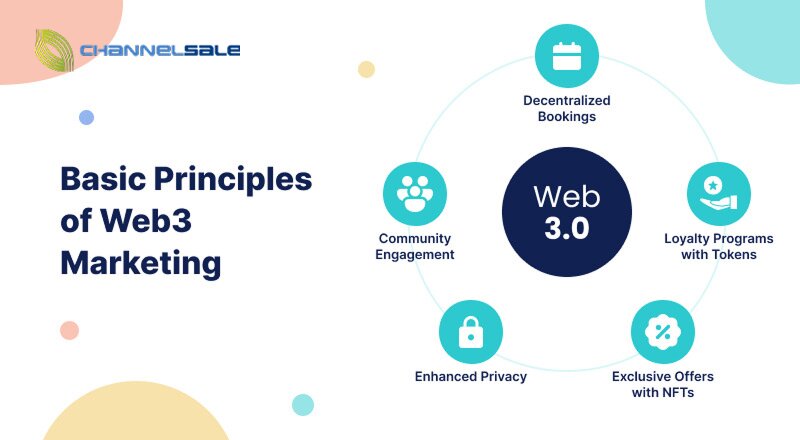
Web3—the decentralized, blockchain-based internet—is redefining how brands speak with audiences. As marketers, it’s essential to familiarize yourself with the pillars that drive Web3 and learn how to apply strategies that resonate with communities, build trust, and bring value to life. Drawing heavily from Shopify’s journey into Web3 marketing, here’s a one-stop take.

What Is Web 3.0 (Web3)?

Web3, also referred to as Web 3.0, is the evolving next iteration of the internet, where decentralization, blockchain, and token economics return greater control of data and digital assets to users.

Key Foundations of Web3 Marketing

Recognizing Web3 marketing takes embracing five pillars at its core, each opening up new avenues of opportunity for brands:

  1. Decentralization Explained

Instead of keeping data in centralized repositories, Web3 scatters it on networks—lessening the control of any one authority, diminishing censorship threats, and enhancing resiliency.

  1. User Ownership

In Web 2.0, consumers are essentially the product, with sites profiting from the information they share. Web3 reverses this, allowing consumers to own digital property, manage identity, and even get paid for their behaviour data.

  1. Blockchain Technology

Blockchains—unchangeable, open books—infuse trust in digital transactions. They secure cryptocurrencies, conduct supply chain audits, verify NFT provenance, and facilitate trusted transactions.

  1. Interoperability

Web3 aims at frictionless cross-chain flows of data and assets. Smart contracts and protocols operate across ecosystems, opening up richer experiences and seamless integrations.

  1. Artificial Intelligence

AI augments Web3 by enabling semantic interactions, personalization, and autonomous token governance. AI enables brands to connect more smartly with consumers.

An Introduction to Web3 Marketing

Web3 marketing is the discipline of employing promotional tactics that align with Web3’s decentralized culture, characterized by values such as privacy, transparency, and community-driven value creation. It utilizes blockchain-native media, including tokenized assets and smart contracts, to facilitate deeper engagement and trust.

Major mindsets are: 

Permission-based data: People provide data voluntarily in return for tokens or services. 

Transparent tokenomics: Token distributions and rewards are regulated by on-chain policies.

Decentralized community-first strategies: Brands foster communities with co-creation, governance, and shared ownership.

Core Web3 Marketing Strategies

Five strategies that characterize effective Web3 marketing:

  1. Community Building

Make the transition from passive fans to active creators. Web3 communities centre on decentralised arenas such as Discord and token-gated dApps—brands like Nike. The SWOOSH platform enables people to co-create virtual items and participate in income sharing—demonstrating how to shift from marketing to audiences to marketing with them.

  1. Metaverse Integration

The metaverse allows brands to create immersive virtual experiences. Adidas’ “Into the Metaverse” NFT release, in collaboration with Bored Ape Yacht Club and PUNKS Comic, allowed owners to unlock exclusive physical products and established Adidas as a digital fashion leader. Virtual property, AR showroom spaces, and VR events are new means of engaging with small, digitally-native audiences.

  1. Bounty Campaigns

The incentive of tokens for community participation builds support and activism. Bounty campaigns can inspire content creation, beta testing, translation, or social promotion. It succeeds based on open tasking, clear reward structures, and goal-oriented follow-through.

  1. Token-Gated Commerce

Token-holders-only access is potent. Tokens can grant access to deals, experiences, digital media, and even pre-drops. Starbucks’ Odyssey employs collectable “stamps” (NFTs) for rewards and event access—without sowing personal data harvesting. Brands can also pass token benefits between partners, enabling audience exchange through mutual incentives.

  1. Decentralized Ad Networks

Legacy ad systems rely on intermediaries like Google or Meta. Web3 turns this on its head with decentralized networks like Adshares or Brave Ads—where users choose and get rewarded with tokens for watching ads. These systems diminish overhead, increase transparency, and allow users to control ad exposure.

Web3 Marketing

Creating a Web3 Marketing Playbook

Here’s a guide for brands going toe-deep into Web3:

Education First

Begin with blockchain fundamentals, smart contracts, token economics, NFTs, DAOs, and metaverses. Keep up with crypto-native forums.

Start Small, Iterate Fast

Pilot an NFT drop, start a Discord community, or execute a bounty program. Learn fast and scale iteratively.

Invest in Community & Governance

Emphasize two-way interaction. Provide users with roles in influencing product features, token utility, or roadmap choices—through DAOs or distributed voting.

Partner to Amplify Reach

Join similar Web3 brands to co-share token benefit programs, co-brand NFT drops, or cross-promote in nearby decentralized communities.

Measure Actual Metrics

Move past impressions and clicks. Monitor token utility use, secondary market success, number of token-holder votes or community forum activity, and retention of token-gated users.

Design Transparent Tokenomics

Build token-based interactions tied to brand value, including access, rewards, and royalties. Describe how and why tokens circulate. Transparency on-chain inspires trust.

Beyond the Basics: Considerations & Challenges

Sustainability & Energy Concerns: Use less-intensive chains (e.g., Proof-of-Stake networks) and disclose environmental considerations openly. 

User Friction: Wallet installation, gas prices, and on-chain complexity discourage mainstream adoption. Reduce through seamless onboarding UX and subsidized transaction fees.

Regulatory Uncertainty: Token legislation and NFT security regulations vary by state; seek the advice of legal professionals to ensure compliance. 

Security & Privacy Risks: Smart contract audits are imperative. On-chain data is out in the open—brands need to navigate token-holder privacy with care.

Final Thoughts

Web3 heralds a new era of marketer–consumer relationships, where tokens, community, and immersive experiences replace campaign-heavy outreach. Whether it’s launching a token-gated loyalty program or crafting a metaverse activation, success hinges on authenticity, transparency, and genuine value.

For visionary brands, the adventure begins today: test freely, lead inclusively, and welcome the future of decentralised marketing.

VN:F [1.9.22_1171]
Rating: +1 (from 1 vote)