
Web3—the decentralized, blockchain-based internet—is redefining how brands speak with audiences. As marketers, it’s essential to familiarize yourself with the pillars that drive Web3 and learn how to apply strategies that resonate with communities, build trust, and bring value to life. Drawing heavily from Shopify’s journey into Web3 marketing, here’s a one-stop take.
What Is Web 3.0 (Web3)?
Web3, also referred to as Web 3.0, is the evolving next iteration of the internet, where decentralization, blockchain, and token economics return greater control of data and digital assets to users.
Key Foundations of Web3 Marketing
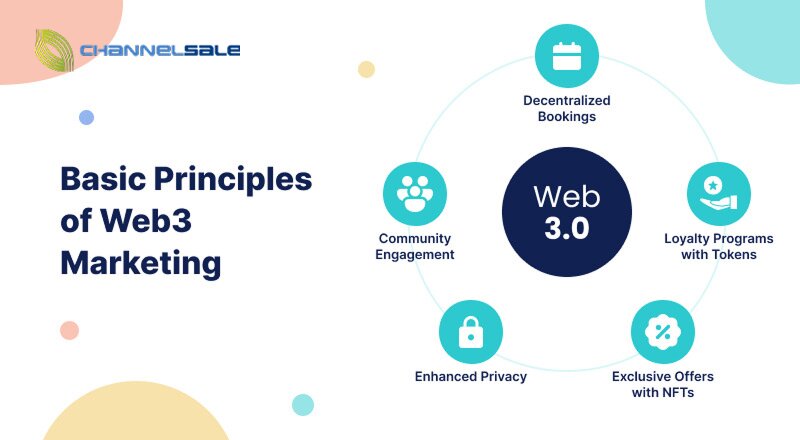
Recognizing Web3 marketing takes embracing five pillars at its core, each opening up new avenues of opportunity for brands:
- Decentralization Explained
Instead of keeping data in centralized repositories, Web3 scatters it on networks—lessening the control of any one authority, diminishing censorship threats, and enhancing resiliency.
- User Ownership
In Web 2.0, consumers are essentially the product, with sites profiting from the information they share. Web3 reverses this, allowing consumers to own digital property, manage identity, and even get paid for their behaviour data.
- Blockchain Technology
Blockchains—unchangeable, open books—infuse trust in digital transactions. They secure cryptocurrencies, conduct supply chain audits, verify NFT provenance, and facilitate trusted transactions.
- Interoperability
Web3 aims at frictionless cross-chain flows of data and assets. Smart contracts and protocols operate across ecosystems, opening up richer experiences and seamless integrations.
- Artificial Intelligence
AI augments Web3 by enabling semantic interactions, personalization, and autonomous token governance. AI enables brands to connect more smartly with consumers.
An Introduction to Web3 Marketing
Web3 marketing is the discipline of employing promotional tactics that align with Web3’s decentralized culture, characterized by values such as privacy, transparency, and community-driven value creation. It utilizes blockchain-native media, including tokenized assets and smart contracts, to facilitate deeper engagement and trust.
Major mindsets are:
Permission-based data: People provide data voluntarily in return for tokens or services.
Transparent tokenomics: Token distributions and rewards are regulated by on-chain policies.
Decentralized community-first strategies: Brands foster communities with co-creation, governance, and shared ownership.
Core Web3 Marketing Strategies
Five strategies that characterize effective Web3 marketing:
- Community Building
Make the transition from passive fans to active creators. Web3 communities centre on decentralised arenas such as Discord and token-gated dApps—brands like Nike. The SWOOSH platform enables people to co-create virtual items and participate in income sharing—demonstrating how to shift from marketing to audiences to marketing with them.
- Metaverse Integration
The metaverse allows brands to create immersive virtual experiences. Adidas’ “Into the Metaverse” NFT release, in collaboration with Bored Ape Yacht Club and PUNKS Comic, allowed owners to unlock exclusive physical products and established Adidas as a digital fashion leader. Virtual property, AR showroom spaces, and VR events are new means of engaging with small, digitally-native audiences.
- Bounty Campaigns
The incentive of tokens for community participation builds support and activism. Bounty campaigns can inspire content creation, beta testing, translation, or social promotion. It succeeds based on open tasking, clear reward structures, and goal-oriented follow-through.
- Token-Gated Commerce
Token-holders-only access is potent. Tokens can grant access to deals, experiences, digital media, and even pre-drops. Starbucks’ Odyssey employs collectable “stamps” (NFTs) for rewards and event access—without sowing personal data harvesting. Brands can also pass token benefits between partners, enabling audience exchange through mutual incentives.
- Decentralized Ad Networks
Legacy ad systems rely on intermediaries like Google or Meta. Web3 turns this on its head with decentralized networks like Adshares or Brave Ads—where users choose and get rewarded with tokens for watching ads. These systems diminish overhead, increase transparency, and allow users to control ad exposure.

Creating a Web3 Marketing Playbook
Here’s a guide for brands going toe-deep into Web3:
Education First
Begin with blockchain fundamentals, smart contracts, token economics, NFTs, DAOs, and metaverses. Keep up with crypto-native forums.
Start Small, Iterate Fast
Pilot an NFT drop, start a Discord community, or execute a bounty program. Learn fast and scale iteratively.
Invest in Community & Governance
Emphasize two-way interaction. Provide users with roles in influencing product features, token utility, or roadmap choices—through DAOs or distributed voting.
Partner to Amplify Reach
Join similar Web3 brands to co-share token benefit programs, co-brand NFT drops, or cross-promote in nearby decentralized communities.
Measure Actual Metrics
Move past impressions and clicks. Monitor token utility use, secondary market success, number of token-holder votes or community forum activity, and retention of token-gated users.
Design Transparent Tokenomics
Build token-based interactions tied to brand value, including access, rewards, and royalties. Describe how and why tokens circulate. Transparency on-chain inspires trust.
Beyond the Basics: Considerations & Challenges
Sustainability & Energy Concerns: Use less-intensive chains (e.g., Proof-of-Stake networks) and disclose environmental considerations openly.
User Friction: Wallet installation, gas prices, and on-chain complexity discourage mainstream adoption. Reduce through seamless onboarding UX and subsidized transaction fees.
Regulatory Uncertainty: Token legislation and NFT security regulations vary by state; seek the advice of legal professionals to ensure compliance.
Security & Privacy Risks: Smart contract audits are imperative. On-chain data is out in the open—brands need to navigate token-holder privacy with care.
Final Thoughts
Web3 heralds a new era of marketer–consumer relationships, where tokens, community, and immersive experiences replace campaign-heavy outreach. Whether it’s launching a token-gated loyalty program or crafting a metaverse activation, success hinges on authenticity, transparency, and genuine value.
For visionary brands, the adventure begins today: test freely, lead inclusively, and welcome the future of decentralised marketing.