Author Archives: admin

Driving Revenue Growth Through Multichannel Selling: Insights into 3P Commerce

VN:F [1.9.22_1171]
Rating: 5.0/5 (1 vote cast)

Multichannel Selling | e-commerce market
The e-commerce market is globally growing at a CAGR of 8.02% between 2025 and 2029. The number of shoppers is forecasted to grow to 3.6 billion by 2029. There is no doubt that the e-commerce sector is growing rapidly. In such scenarios, traditional ways do not work anymore. Online customers today expect convenience, choices, and the best prices. This kind of dynamically evolving e-commerce landscape makes it essential for retailers and brands to adapt by embracing multichannel selling.

Third-party (3P) commerce is emerging as one of the primary growth drivers so that online businesses can maximize revenue through diversified sales channels. Keep reading to learn more about 3P commerce challenges, benefits, etc.

Understanding 3P Commerce

With 3P commerce, brands and retailers can reach a bigger consumer market using online marketplaces and other third-party platforms. Retailers can access unowned stocks, thereby reducing risks linked with stock management. Brands can improve their market reach as they don’t just sell at their online stores but also through multiple channels. Thus, businesses can leverage this model to make the most of consumer demands and optimize resources.

What Data Tells Us

1. Juggling Multiple Marketplaces Isn’t Easy

3P commerce has a major disadvantage, though. For brands and retailers, managing numerous 3P platforms often poses operational challenges. The study showed that businesses usually navigate four separate platforms. This ultimately hits their operations and costs. One of the major concerns is the need for specialized professionals, as reported by almost 65% of global executives. 45% said that operating costs increase. Both these factors cut into the profit margins significantly, as per the study. Speed to market is also a big concern as the onboarding process generally takes up to six weeks.

Of all the surveyed executives, 97% believed that a centralized commerce platform or solution would be better to streamline operations, reduce costs, and increase profitability.

2. More Channels, More Revenue

3P commerce continuously seems to be gaining traction as an integral part of multichannel selling strategies. Almost 70% of the surveyed executives shared that about 50% of their total revenues are generated from 3P commerce. 29% say that more than 50% of their revenues come from third–party commerce. In the past year, 3P commerce revenues have increased, as confirmed by 68% of brands and retailers worldwide.

These figures show that third-party commerce is indeed a strong strategy for e-commerce businesses to gain financial success.

3. 3P is Becoming a Growth Engine for Modern Brands

The study shows that almost 95% of executives globally suggest that sales generated from 3P commerce channels contribute to the success of the company. Almost all retailers and brands covered in the study recognize the importance of 3P as a growth driver.

The primary motivators for the use of the 3P commerce model are:

– businesses want to reach out to a larger number of customers

– businesses want to target customers on their preferred channels of shopping

– to increase their cross-border sales and revenues

– to avail more retail media ad opportunities

– to improve their total sales volume

– to lower margins

– to increase product assortment without risks of owned inventory

3P Commerce: Emerging Trends

  • Increased use of technology: Almost 49% of businesses use between 4 to 6 platforms to manage their 3P commerce operations. Such businesses need to use technology to manage these platforms successfully.
  • Increase adoption of AI: The use of Artificial Intelligence (AI) in e-commerce is automating all manual-led tasks. This is revolutionizing the industry. Almost 98% of surveyed executives feel that AI is crucial for successfully managing their e-commerce operations.
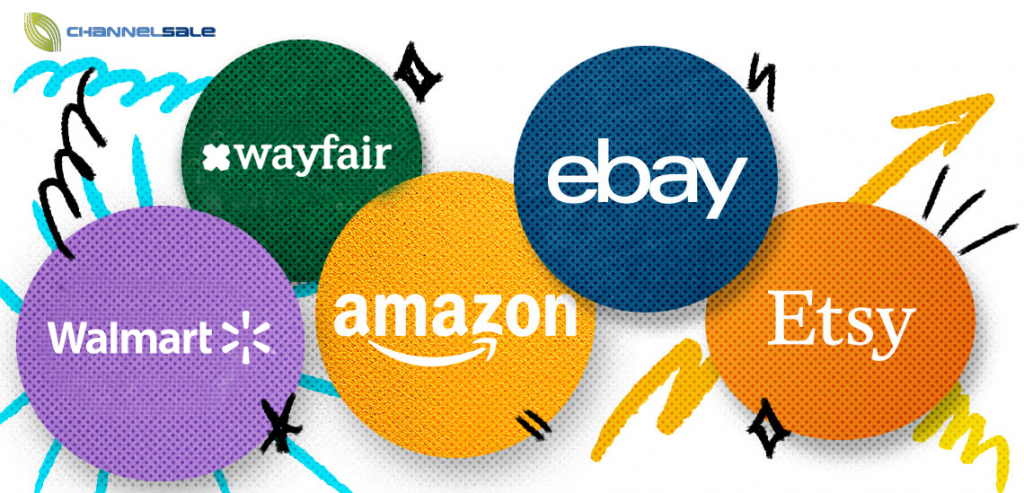
  • Cross-border selling: 3P commerce has also opened the chance for online businesses to sell cross-border. They can use the potential of global e-commerce platforms like eBay, Amazon, Walmart etc., without investing in developing their own infrastructure. Almost 96% of those surveyed felt that without third-party opportunities, they could not sell in international markets. After all, cross-border sales have multiple challenges like currency conversions, logistics, international regulations, translations, etc.
  • Use of social commerce: The use of social media platforms is also on the rise in 3P commerce. Around 82% of executives integrate social commerce into their strategy. Social commerce allows brands to reach consumers directly through platforms like TikTok, Instagram, and Facebook. The use of shoppable ads and influencer posts facilitates seamless purchases.
  • Retail media advertising: This is another tactic that is catching up. It is a powerful tool where retail media ads are placed on the e-commerce app or site of the retailer to make a last-minute appeal to customers just at the point of purchase.
  • Best solution for meeting supply chain challenges: With 3P commerce, the typical supply chain issues are easier to overcome. Retailers and brands are gradually shifting to 3P commerce. This gives them greater flexibility beyond owned channels. Nearly all surveyed executives (almost 96% of executives) agreed that supply chain agility is crucial for growth.

Why Everyone’s Betting Big on 3P Commerce?

There are different reasons for this.

  • Study results affirms that it has been convenient to tap into international markets without the logistical burden of maintaining foreign warehouses.
  • Increased visibility and customer acquisition confirming that selling through multiple platforms has helped achieve this.
  • They are using 3P commerce because in a competitive market, they need new revenue streams to stay profitable.
  • Choose to work with third-party commerce because diversified channels help businesses drive higher sales across multiple platforms.
  • 3P helps them expand their offerings through dropshipping and marketplace selling without the burden of excessive inventory.
  • Using 3P and retail media advertising along with platform-based promotions to capture demand effectively.

The Role of Technology in Managing 3P Commerce

One of the biggest challenges in 3P commerce is technology management. Overseeing multiple platforms is proving to be costly and complex for brands and retailers. It was found that most businesses are comfortable using up to four e-commerce platforms.

The biggest issues for businesses in managing multiple platforms include:

  • Tracking ROIs across different sales channels is difficult. Monitoring customer engagement requires real-time insights and analytics.
  • Product listings could vary between different platforms, maintaining product information consistency was a problem.
  • Synchronizing inventory across different channels is an issue.

Integrated Commerce Solutions are poised to be game-changers

Using multiple e-commerce platforms in a 3P commerce strategy is one of the biggest challenges. In the survey, most respondents agreed that this can be very time-consuming and requires expertise for the management of ground operations. It is not an ideal situation. The solution is a unified commerce platform.

This is where platforms like ChannelSale can come to your aid.

Third-party commerce is getting popular and catching up. Brands and retailers cannot brush aside its impact and need to stay focused on their strategies if they want to make it big at online marketplaces. To overcome the challenges, you can consider using platforms like ChannelSale that centralize inventory management, product listings, and order fulfillment, offering real-time views for better decision-making, helping your business manage multiple platforms for third-party businesses seamlessly.

VN:F [1.9.22_1171]
Rating: +1 (from 1 vote)

How Data-Driven Retail Media Helps Sellers Boost Performance

VN:F [1.9.22_1171]
Rating: 5.0/5 (1 vote cast)

Retail Media Strategies for Sellers
E-commerce is evolving at a neck-breaking speed, making all things competitive. Customers today have multiple options to buy a single item from multiple touchpoints. Study reports indicate customers go to a minimum of two websites before they decide to make a purchase. Such random consumer behavior makes it even more necessary for retailers to do everything to catch the attention of their potential customers and retain the information.

This is where retail media comes into play. It is rapidly being sought out by brands. The best thing is that the channel uses a data-driven approach to boost conversions. As per studies, advertising expenses on retail media are expected to go beyond  USD 107 billion. And the impact has been considerable in the last five years, earning almost $30 billion. On the other end, data suggests that almost 44% of consumers look at ads for best-selling items before 37% buy the item.

For Amazon retailers, the good news is that retail media ads can be blended flawlessly in the shopping experience of customers. After all, around 50% of customers in the US purchase products after seeing ads on Amazon. As per data, Amazon has about 7.5% of the advertising market online. The biggest e-commerce platform offers varied ad formats to help brands strengthen their voice. Today, all major online marketplaces like CVS, Walmart, eBay, Kroger, Marriott, etc. have started their retail media networks or RMNs. All these marketplaces are also doing incredible retail media ads. Walmart’s revenue from online ads is growing at a double rate like Amazon, and eBay registered 35% year-on-year growth in Q2.

Consequently, brands need to strategize optimally to use RMNs so that they can stand out in a very crowded e-commerce landscape and gain traction.

Working with Retail Media Algorithms for Optimized Visibility

All RMNs have algorithms built in-house. The core concepts are the same in general. However, the approach to building the algorithms is the same. This cycle includes –

  • Ads and promotions – publishing paid advertisements to increase the effectiveness of retail media and multiplying the other factors mentioned here.
  • Owned content – This includes flawlessly-created content with product titles and descriptions, bullets for improved readability.
  • Earned content – Aspects that denote customer engagement, like reviews and ratings, should be included in the content.
  • Sales velocity – The path to flow, where with increased orders, organic rankings improve with improved visibility. The higher the organic position, the more visible your product will be.

Brands need to focus and maximize all these four elements to boost conversion rates, drive increased product exposure, and make sustainable growth a reality.

The Pyramid Approach to Building a Strong Retail Media Strategy

There are four main sections of the Retail Media Strategy Pyramid.

● Safeguarding Your Brand

After the first step is established, you need to strategize for brand protection. In this step, brands need to bid on branded keywords. This involves securing product detail page placements so that immediate competitors do not gain from keyword-related traffic. Brand protection campaigns result in better ROAS (Return on Ad Spend) as conversions are more likely when customers land on the site after searching for a brand. Brands have better control over their narrative, and the risk of losing customers to competitors is reduced.

● Reaching New Shoppers

Building new customers is as important as retaining old ones. To do this, brands also need to target non-branded category keywords, audience targeting based on categories, and use ad formats like Sponsored Brand Video to drive higher engagement.

The ROAS is usually lower in the case of customer acquisition campaigns than brand protection campaigns. This is because a new audience needs more time to convert as they use more time to engage with the brand. When used with brand protection, a sustainable pipeline is created for long-term growth.

● Smart Product Grouping & Keyword Strategy

This is the basis of a successful campaign. Consumer search behavior is studied and analyzed for brands to identify keywords with the highest potential for optimized performance. Big online marketplaces like eBay and Amazon offer this component for automated campaigns. Brands can use this feature to shortlist keywords that have the most potential to drive conversions, set initial ROAS benchmarks, and allocate budgets for paid media campaigns.

● Winning Over Competitor Customers

This strategy is about targeting potential customers of competitive brands. The ROAS on this strategy can be lower because multiple touchpoints are involved. However, competitor conquesting strategy is good for improving brand awareness and also targeting a higher market share. How can this be done? Start by targeting the keywords used by competitors. Ads are placed on competing product detail pages. Brands can feature promotional incentives for customers to switch from one brand to another.

Retail Media Strategies

How to Make Retail Media Campaigns Efficient?

Efficient retail media advertising campaigns are crucial for optimal growth. Here are a few strategies to get there –

  • Curate Target ROAS for Each Strategy: Don’t stick to a single ROAS. Break it down. For example, an ROAS baseline for auto campaigns is suggested. For brand protection, higher ROAS should be targeted, a lower ROAS for new customer acquisition, while a higher CPCs for competitor conquesting.
  • Budgeting As Per Strategy Goals: Remember budgets should be allocated depending on whether a brand prioritizes efficiency or growth. For efficiency, invest more in brand protection and organic ranking improvements. For growth, you need to allocate more budget to customer acquisition and conquesting.
  • Keep Optimizing: For effectiveness, optimization needs to be ongoing. Examples include increasing Budgets for high-performing campaigns and using negative keywords to filter out low-performing traffic.

Retail media ads offer brands robust ways to engage consumers at the point of purchase. Brands must adopt a data-driven approach, leveraging catalog segmentation, brand protection, customer acquisition, and competitor conquesting.

Retail Media Best Practices

1. Use Automation to Save Time & Improve Ad Performance

Manual management can be unsustainable, especially when your catalog grows. Use automation tools help streamline operations. To stop underperforming ads, create filters. Create activate ads for new or seasonal products.  Also, adjust bids based on inventory and sales velocity.

2. Put Budget Behind Your Bestsellers

The ad efficiency can be driven by using precision targeting. Sponsored Products on Amazon can strategically boost visibility, and convert high-intent traffic.

  • Target your own Amazon Standard Identification Numbers (ASINs) so that your listings is protected from competitor ads.
  • Use Sponsored Products so that these can appear on rival product pages and attract customers who are browsing similar items.
  • Apply product page bid modifiers. This will help increase your visibility in high-performing placements.
  • Ensure proper synergy for optimized total ad performance between your Sponsored Products, Sponsored Brands, and Sponsored Display campaigns.

3. Make Your Listings Work Harder

The product content is the foundation of the brand’s RMCs (Re-marketing campaigns). The content should be top-quality, and optimized so that there is enhanced visibility, organically driven. This also drives ad relevance and there are better chances of conversions. This includes –

  • Visuals: Use high-resolution images. Ensure that the product is showcased from various angles. Include lifestyle shots and close-ups that convey size, usage, and key features.
  • Titles: Ensure proper titles are keyword-rich and descriptive and keyword-rich. The ideal is approx. 80 characters and should include brand name, model, size, or category.
  • Bullet Points & Descriptions: The product benefits should be written in a compelling manner. It should be written in easy-to-read bullet points. Use technical info too.
  • Skimmability: Make the content digestible. The structure should be property formatted, spaced, with the use of concise language so that fast-scrolling shoppers are satisfied.
  • A+ Content: Leverage Amazon A+ Content that is available for brand-registered sellers. The product detail page can be enhanced with branded visuals, charts, and expanded copy.

4. Organize Your Ad Campaigns Better

An organized account structure is very important for campaign efficiency and future scalability.

  • Segment campaigns by product category, brand, performance tiers, or campaign objectives
  • Structure campaigns around specific goals, so that targeted bidding strategies and easier performance tracking are possible.
  • A clean structure is a basic criterion for effective automation and improving the agility of campaigns.

5. Try, Learn, Repeat

Online retail media is dynamically evolving. Consequently, what works today may not work tomorrow. You need to keep testing continuously. This will ensure relevance and top performance. Use A/B Testing to keep experimenting with various ad copies, formats, visuals, and target marketing. Interpret campaign metrics so that you can identify trends and opportunities. To narrate richer brand stories, Sponsored Brand Videos are recommended. You can use Sponsored Displays for retargeting high-intent audiences. Continuous testing is a learning process. It allows you to fine-tune campaigns regularly over time. This will help maximize return on ad spend (ROAS) and overall effectiveness.

These best practices can help brands enhance their retail media strategies and get better results and performance from these strategies.

With retail media becoming the new cornerstone of digital commerce, brands need to work hard on optimizing their ad strategies. It is basic and essential. With ChannelSale’s centralized platform, streamlining and scaling retail media campaigns across different marketplaces and online channels becomes easier. With these tools and automation, you can boost brand visibility, drive traffic, or hit aggressive ROAS goals. The robust technology of the ChannelSale platform helps you manage campaigns efficiently and maximize every dollar spent on advertising.

VN:F [1.9.22_1171]
Rating: +1 (from 1 vote)

Online Retail Shopping Calendar 2026: Key Dates from January to June

VN:F [1.9.22_1171]
Rating: 5.0/5 (1 vote cast)

Online Retail Shopping Calendar 2026: Key Dates from January to June

As we launch into 2026, online shopping continues to evolve rapidly — shaped by changing consumer habits, global events, and technology-driven convenience. For e-commerce sellers and multi-channel retailers, staying ahead means planning with a strategic shopping calendar that highlights all the key dates, trends, and opportunities for growth.

This comprehensive guide outlines the must-know online shopping events and promotional windows from January through June 2026 — helping you plan your inventory, marketing campaigns, seasonal collections, and cross-channel promotions effectively.

Let’s break down each month and share practical tips for maximizing conversions through strategic timing and targeted product positioning.

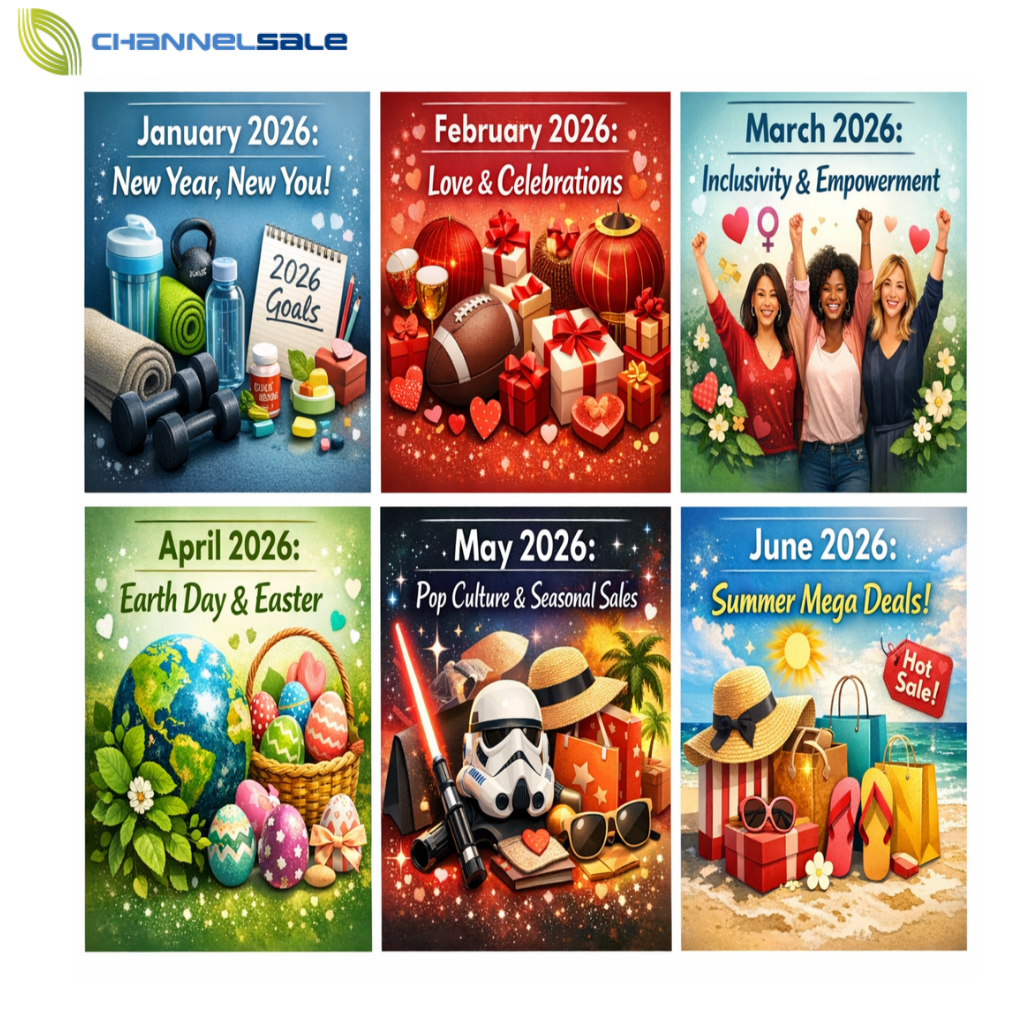
January: Resolutions for Retailers

The new year brings motivation and renewal. Retailers can align products with customers’ aspirations such as health, fitness, organization, and lifestyle upgrades. January is also influenced by global cultural celebrations that create opportunities for themed promotions.

Pro Tip: Position products as transformation tools. Highlight bundles, discounts, and motivational messaging for resolution-focused customers.

Key Dates:

  • 1st January – New Year’s Day: Launch “New Year, New You” promotions across wellness, home, and productivity categories.

February: Celebrations, Sports, and Romance

February blends festive energy, entertainment, and emotional gifting. Shoppers are highly responsive to time-sensitive promotions tied to celebrations and major events.

Pro Tip: Create segmented campaigns for gifting, entertainment, and self-care shoppers. Emphasize urgency with limited-time offers and fast shipping.

Key Dates:

  • 8th February – Super Bowl Sunday: Promote sports-themed merchandise, apparel, party supplies, and home entertainment products.
  • 17th February – Chinese New Year: Offer culturally relevant products with special discounts, festive collections, and limited-edition bundles.
  • 17th February – Lunar New Year: Feature festive collections, celebratory gift sets, and themed merchandise.
  • 14th February – Valentine’s Day: Leverage the season of love with targeted promotions for jewelry, fashion, beauty, and personalized gifts.

March: Inclusivity and Seasonal Transition

March marks the shift toward spring while highlighting cultural celebrations and inclusive global observances. Shoppers respond well to purpose-driven campaigns during this period.

Pro Tip: Focus on storytelling and values-based messaging. Highlight inclusivity, seasonal refreshes, and community-focused initiatives.

Key Dates:

  • 8th March – International Women’s Day: Launch empowering campaigns and special offers celebrating women-owned brands and products.
  • 19th March – Eid: Run inclusive promotions featuring gifting, fashion, beauty, and home décor.
  • 17th March – St. Patrick’s Day: Offer Irish-themed sales, green apparel, novelty items, and party accessories.

April: Awareness, Sustainability, and Gifting

April combines social awareness with sustainability-driven purchasing and seasonal gifting. Consumers increasingly support brands that reflect ethical and educational values.

Pro Tip: Use content and product messaging to reinforce brand purpose. Sustainability and awareness campaigns build long-term trust.

Key Dates:

  • 2nd April – World Autism Awareness Day: Promote inclusivity and awareness through thoughtful campaigns and cause-driven initiatives.
  • 5th April – Easter Sunday: Highlight festive gifts, décor, family essentials, and holiday-ready products.
  • 5th April – Easter: Feature festive collections, gifting options, and family-oriented products.
  • 22nd April – Earth Day: Showcase sustainable products, eco-friendly packaging, and green business practices.
  • 23rd April – World Book Day: Inspire reading with book-themed deals, educational products, and gift bundles.

May: Cultural Moments and Seasonal Sales

May is driven by creativity, pop culture, and the early momentum of summer shopping. Retailers can tap into both emotional and entertainment-driven purchasing behavior.

Pro Tip: Leverage pop culture moments and seasonal readiness messaging to increase engagement and average order value.

Key Dates:

  • 1st May – International Workers’ Day: Celebrate workers with relevant offers, appreciation campaigns, and productivity-focused products.
  • 4th May – Star Wars Day: “May the Fourth” be with your themed promotions, collectibles, apparel, and novelty merchandise.
  • 25th May – Memorial Day (USA): Tap into patriotic themes and summer-prep discounts across apparel, outdoor gear, and home categories.

June: Summer Sales and Major Shopping Events

June marks the start of peak summer demand and high-volume online shopping activity. Seasonal essentials and mega sales events drive strong purchasing intent.

Pro Tip: Prepare inventory and pricing strategies early. Optimize listings to remain competitive during high-traffic sales periods.

Key Dates:

  • 5th June – World Environment Day: Reaffirm sustainability efforts and promote environmentally responsible products.
  • 21st June – Start of Summer: Offer discounts on summer apparel, travel gear, outdoor products, and lifestyle essentials.
Need professional help? Contact ChannelSale experts to plan for a prosperous year. Cheers to a successful 2026!


VN:F [1.9.22_1171]
Rating: +1 (from 1 vote)

Happy New Year 2026 from ChannelSale! ✨

VN:F [1.9.22_1171]
Rating: 5.0/5 (1 vote cast)

As we welcome 2026, it’s the perfect time to reflect on the achievements of the past year and look forward with renewed energy and optimism. At ChannelSale, we’re incredibly grateful for your continued trust, partnership, and collaboration — together, we’ve reached new milestones and delivered exceptional value across the multi-channel eCommerce landscape.

🌟 Cheers to Growth, Innovation & Success

The past year brought opportunities and challenges alike. Thanks to your ongoing support and feedback, we’ve strengthened our platform and expanded our capabilities to help our sellers sell more, scale faster, and compete smarter across most major marketplaces globally. As we step into 2026, we remain committed to empowering your business with:

  • Smarter automation tools
  • Seamless integrations across major marketplaces
  • Enhanced support for multi-channel selling strategies

2026 is brimming with possibilities, and we’re excited to continue this journey with you — building better efficiencies, unlocking new selling opportunities, and achieving greater eCommerce success together.

🎯 What’s Ahead in 2026

This year isn’t just about new beginnings — it’s about momentum. We’re planning exciting updates and features to help you:

  • Optimize your listings and inventory management
  • Increase conversions and visibility across top sales channels
  • Stay ahead of emerging trends in the online marketplace landscape

Keep an eye out for new tools, insights, and resources designed to help you make the most out of every selling opportunity this year.

💬 Thank You for Being Part of Our Story

As we step into 2026, we want to extend our heartfelt appreciation to every client, partner, and member of the ChannelSale community. Your success inspires us, and your feedback drives our innovation.

Here’s to a year filled with growth, resilience, and shared success. May 2026 bring you fresh ideas, meaningful partnerships, and remarkable achievements.

Happy New Year 2026! Let’s make this year our best one yet — together! ✨

VN:F [1.9.22_1171]
Rating: +1 (from 1 vote)

Plan Ahead Key Dates: Online Shopping Calendar for July to December 2025

VN:F [1.9.22_1171]
Rating: 5.0/5 (1 vote cast)

Plan Ahead Key Dates Online Shopping Calendar for July to December 2025

The second half of the year is more than merely a change in seasons—it reveals a golden opportunity window for e-commerce business owners. From July to December, each month provides unique occasions and festivals that can be used to enhance engagement, boost sales, and reinforce customer loyalty. Whether you are an experienced or new seller, planning and staying in tune with consumer sentiments can be the game changer.

Here’s a month-by-month guide to help you get in rhythm with the holiday pulse and get set for success.

July | It’s Time to Party

It’s July, and the holiday shopping rush is in full swing. While fireworks light up U.S. skies on Independence Day (Jul 4), virtual shelves start to get traffic.

But the real blockbuster? Amazon Prime Day. Although the actual dates vary, innovative sellers begin preparing in June. This premier shopping extravaganza attracts a flood of buyers seeking exceptional discounts. Being a third-party seller or brand with products on Amazon, preparing ahead with exclusive deals, bundling products, or prioritizing listing visibility can put you light years ahead.

Summer, celebratory—design products that capture the mood: travel gear, summer apparel, outdoor devices, or patriotic-specialty products.

August | Autumn Preview & Back-to-School Frenzy

In August, the sun begins to soften, and a subtle shift in shopping intent starts to take place. Schools, parents, and students get ready for a new school term, and the Back-to-School shopping rush begins. From electronics and stationery to new wardrobes, school supplies are in genuine demand.

This is also your chance to take advantage of end-of-summer clearance sales. Not only does it clear warehouse space, but it allows you to catch price-sensitive shoppers while building buzz for your fall collections.

September | Labor Day & the First Fall Leaves

Labor Day, on the first Monday in September, officially inaugurates the autumn shopping season. It’s the perfect time to show your appreciation to customers through targeted promotions and custom collections.

Focus your campaigns on essentials that prepare people for the cold months—such as snuggly clothes, home office supplies, or self-care packages.

October | Halloween Mania & Seasonal Creativity

October is when creativity kicks in. Halloween presents a treasure trove of opportunities for retailers. It could be themed party decorations, weird costumes, frightful makeup, or novelty edibles—buyers are looking for something that adds some flair to their festivities.

What works here? Flash sales and limited runs. Halloween is half about the thrill of discovery as it is about celebration—take advantage of that with bundles, mystery boxes, or DIY kits.

November | Season of Gratitude & Gift Giving

November begins with a two-fold attitude—gratitude and consumer expectation.

Start with a Veterans Day celebration (Nov 11) and offer special promotions to veterans and their families. Then, move into Thanksgiving, as consumers begin creating gift lists and big-ticket purchases.

And just as the afterglow of turkey fades, we hit Black Friday and Cyber Monday, the inimitable e-commerce behemoths. Ready your site for high traffic, fast checkout, and mobile responsiveness. This is where last-minute glitches can undermine earned trust—so test them all.

Email campaigns, retargeting ads, and rewards can work magic around this time.

December | Christmas Cheer & Year-End Rush

The height of the holiday season has come. Christmas shopping dominates the first part of December, from gift sets to luxury buys and thoughtful gifts. From budget stocking fillers to luxury gadgets—offer diversity with panache.

Following Christmas comes Boxing Day, a day for sales. Holiday shoppers still carry cheer—and gift cards—in their wallets.

Cap off the year with New Year’s Eve essentials: partywear, wellness planners, and home decor. Customers are already looking for new beginnings—join them in their aspirations.

How to Dominate the Holiday Shopping Season

It’s not selling—it’s crafting a frictionless experience. Take advantage of innovative strategies such as:

  • Pop-up offers and countdown timers
  • Automated email follow-ups and cart abandonment notifications
  • Add new or promote existing products or new marketplaces to enhance product visibility and sales growth via ChannelSale software and expert services
  • Inventory management in real-time
  • Social media contests and influencer collaborations

Behind the scenes, things need to run smoothly—efficient order fulfilment, flexible logistics, and seamless customer service help maintain trust levels during peak season.

Know Your Buyers, Be Flexible

Holiday sales success depends on understanding how and why your buyers shop. Be flexible. Track buying behaviour, stay current with trends, and shift your messaging accordingly.

A savvy plan keyed to the e-commerce calendar can make these six months the largest revenue-generating season of the year.

Power Your E-Commerce Engine with ChannelSale

If you’re looking for a reliable partner to scale your e-commerce operations, ChannelSale offers just the right tools. With nearly two decades of experience, they help sellers synchronise products, inventory, and orders across platforms such as Amazon, Walmart, eBay, and more.

From multi-channel automation to sophisticated analytics, ChannelSale puts you in the driver’s seat to win this holiday game—and a lot more.

Wrapping Up

The July to December window is one of the make-or-break for online retailers. Plan, be nimble, and stay focused on the customer journey. With steady planning, innovative campaigns, and the proper technology support, this holiday season might be your best one ever.

Happy selling!

VN:F [1.9.22_1171]
Rating: +1 (from 1 vote)

Amazon Listing Errors: How to Fix Them and Prevent Future Issues

VN:F [1.9.22_1171]
Rating: 5.0/5 (1 vote cast)

Amazon Listing Errors: How to Fix Them and Prevent Future Issues

At ChannelSale, our highly experienced dedicated support team takes out the hassle for our clients to troubleshoot the errors received during creating or updating product listings on Amazon, thus saving valuable time and increasing efficiency in achieving rapid sales growth. Here’s a list of frequently received errors and fixes.

When you list products on Amazon, often come across messages that contain some text and a reference number. When these messages appear, you are unable to list the product on the online marketplace. The appearance of these messages indicates listing problems and is known as an Amazon listing error.

What causes these errors? The code that appears with the message indicates the specific cause.

Listing Error Types & How to Fix Them?

Today, we will discuss the three most common types of Amazon listing errors and how to resolve them.

1.    Generic Product Errors

On the Amazon store, generic products are unbranded. This means that these products have no logo or exclusive brand names. Let’s discuss a few standard generic product codes

●      Error code 5882

This code means an issue with intellectual property rights. On receiving this alert, we need to inform Amazon Seller Support that issue is not listed and explain that we are listing a generic product. Their team will assist.

●      Error code 5885

This arises in different scenarios like –

  • Updating generic product details for another seller
  • Adding offers to a generic product listing for another seller
  • Copying another seller’s detail page of a generic product to your store for another country

The solution is to create a completely new product listing. Alternatively, we can speak with Amazon Seller Support to resolve.

●      Error codes 5886 & 5887

This error code flashes when you try to amend a product detail page that is not allowed to be changed. For example, if we are adding offers to the generic product listing of another seller. Or, copying a product detail page of another seller to your store. Appeal in the case of 5886 or 5887 is not permitted. The solution is to try and list the product generically.

2.    Product Matching Errors

Product matching is used to match fresh offers to products already being sold in the online Amazon store. Different types of product matching errors are as follows –

●      Product ID errors

When a product is already listed and we try to add a new detail page, this error code is generated. It is also generated when a product ID entered is linked to another product. To resolve, enter the right product ID – it should be the exact GTIN present on the barcode of the product. On the error message, check if the product mentioned is the one you want to list. If it is the same, copy the ASIN on the error message and paste it in the Product ID field. If it is different, we will need to contact Seller Support.

●      Product attribute errors

If the current product listing information is in conflict with product attributes, this error is generated. You will need to change the attribute to match the given information for the product. Use the ‘Fix Your Products’ tool available in Seller Central to address attribute errors.

●      Stock-keeping units (SKUs) errors

This error code is generated if you try to use a SKU associated with another product, available in the bigger Amazon store or your inventory. Resolving involves deleting the listing and recreating a unique SKU.

3.   Brand Name Errors

These errors arise if there are conflicts associated with the Amazon Brand Name Policy. This policy helps protect every brand’s Intellectual Property (IP).

●      Error code 5461

This code is generated to inform you that you are not permitted to generate fresh product detail pages for any brand. Resolving requires ensuring that the correct brand name is used. Spelling and spacing need to be checked. Associate your selling account with your Brand Registry account. If we are still unable to resolve the issue, go back to the error message to get the link to an application to sell. Complete the application to start creating the brands’ product detail pages.

●      Error code 5664

This code flashes when you are trying to list a generic product without using the brand-name value as ‘generic’ If you want to list the product under a brand, we will need to use the link in the message to complete the application.

●      Error code 5665

If the brand name is not approved by Amazon and you are trying to enter it, you may receive this error code. First of all, we will need to have to get the brand enrolled in the Brand Registry. Alternatively, we can request Amazon to permit you to use the unregistered brand name. In this case, click on the link in the error message to get access to the selling application for catalog authorization.

As an online seller on Amazon, your main focus is to make it easy for customers to discover your products. By minimizing listing errors, you can get there faster and more effectively. Remember, if you do not address the errors, your product listings will not be visible to your potential buyers. Use the highly experienced resources and tools of ChannelSale for a centralized product listing process for all your online stores.

VN:F [1.9.22_1171]
Rating: +1 (from 1 vote)

18 Best Products Categories to Sell Online for Maximum Profit

VN:F [1.9.22_1171]
Rating: 4.0/5 (4 votes cast)

18 Best Products to Sell Online for Maximum Profit in 2025

Do you have an e-commerce business or planning to start one? If yes, this one is for you.

Curious about what will sell like hotcakes this year? Do you want a thriving business or are you happy about missing opportunities? This is why it is important to pinpoint the top eighteen items that are set to dominate e-commerce this year.

Ready to discover what are trending to sell? Let’s dive in!

18 High-Demand and Trending Products Categories To Sell Online

Electronics

In the digital era, customers are constantly on the lookout for innovative gadgets and devices. For example, smartphone accessories like mobile cases, chargers, screen protectors, etc., are quite in demand and are valued at billions of dollars. Another item that is catching up is the Surge Protector for charging multiple accessories.

Healthcare 

In previous year, healthcare products like vitamin boosters, and supplements like Zinc capsules and Vitamin C supplements sold the most in the US on the online shopping cart platforms. For example, searches for ‘Magnesium Spray benefits’ rose by 300% on Google last year. Similarly, Amazon recorded high sales for Whey Protein Powder.

Skincare 

Customers want premium beauty products that are ethically and sustainably made with zero testing on animals. Vegan products with hyaluronic acid and retinol are preferred for skincare. For example, Mighty Patch, a pimple patch is garnering top attention and likely to stay the same.

Baby Products

Safe, soft-to-touch and functional baby products continue to remain on the top in the e-commerce industry. For example, baby wipes from WaterWipes are gentle and best for rashes. Made from purified water and fruit extract, this has been the go-to for most parents in the West.

Clothes and Apparel

In this category, the demand for seasonal coats or jackets for outdoor activities has seen a rise on Amazon. Being a drop shipper or an affiliate could be a good business decision. In the footwear section, crocs seem to be the all-time favorite for customers nowadays.

E-Bikes

Electric bikes are another popular item, gaining traction in e-commerce. With annual sales growing at 10%, power-assisted e-bikes make commuting easy on all kinds of terrains.

Pet Supplies

As more people bring home pets, the demand for products the furry companions has been constantly rising. On Amazon, pet products like Dr. Elsey’s Premium Clumping Cat Litter occupy the top place for their odor and dust control features.

Outdoors

Products that make outdoor and fitness experiences better feature high in the e-commerce segment. For example, ice packs that help keep food fresh for longer periods are witnessing a peak, especially during holidays and festivals.

Video Games 

As the gaming industry grows, more and more customers look to order and buy video games. Related to this section, Amazon reports that stereo gaming headsets are the new trend in the virtual world.

Cosmetics

Makeup items are trending big time this year. Shopify reported that lip stain products topped their charts in this category. There are reasons to believe that this product will continue to trend this year too.

Home & Kitchen

Customers today love products that help save time in kitchens and make their homes look sophisticated. This is a category that has remained in demand for years in e-commerce. Consider businesses in cookware, kitchen appliances, and home decor items for success.

Arts & Crafts

Not just for kids, arts and crafts have become favorite pastimes for adults too. That is why, it is a top business idea. Shopify reports that keywords like ‘crochet kit’ is searched almost 14,000 times every month and ‘pottery clay ‘ receives about 4,000 monthly searchers.

Perfume

Personalized scents continue to be in demand. People look for brands that are premium, trusted, and made from natural ingredients.

Wine

Customers are okay to experiment with wines that are not just vintage. They look to buy organic and natural wines. It doesn’t necessarily have to be from famous vineyards; they are ready to try premium wines from undiscovered regions too.

Toys

In this category, parents are ready to spend on games and activities that keep them busy and occupied. Thus, the demand for toys has witnessed spikes post Covid and the same trend is expected to continue this year.

Appliances

This is another competitive segment in e-commerce as appliances are known to make life convenient. Take the case of air conditioners, washing machines, vacuum cleaners, etc. The countertop icemaker has been one of the top products for Amazon last year.

Bedsheets

Searches for “linen sheets” have witnessed about 20,000 monthly searches. If this business idea appeals to you, you can enter the bedding niche and then add on other related items, like pillows, sleepwear, comforters, etc.

Musical Instruments

This category is also featuring well in e-commerce and is expected to do good this year too. This is because the love for music does not seem to be dying down anytime soon. The rise of podcasting and video streaming services has also impacted demand for good-quality audio instruments.

If you are serious about an e-commerce business, consider the products listed here to occupy the virtual shelves of your online store.

Contact online selling strategy experts at ChannelSale to setup seamless product listings and orders automation across marketplaces.

VN:F [1.9.22_1171]
Rating: +3 (from 3 votes)

B2B E-Commerce: Everything You Need to Know – Benefits & Strategies (2025)

VN:F [1.9.22_1171]
Rating: 5.0/5 (1 vote cast)

B2B ECommerce Everything You Need to Know

When businesses are the customers of other businesses online, it is called B2B e-commerce. This guide will cover the basics of this e-commerce type.

B2B E-commerce: What is it?

In this format of electronic commerce, goods or services are sold or traded between commercial companies. The sellers are businesses and the end users are also businesses.

Types of B2B E-Commerce

  • Business-to-Business-to-Consumer (B2B2C)

In this type, two or more businesses join hands to sell to end customers. For example, one company could be a manufacturer and the other the distributor.

  • Wholesalers

In this case, one business acts as the wholesaler. It sells bulk products at discounted rates to a second business, which then resells directly to customers at market prices.

  • Manufacturers

These are businesses that manufacture or engineer products with raw materials, equipment, labor, etc. They then sell the products to other businesses, like wholesalers, retailers, etc.

  • Distributors

These are businesses that do not manufacture goods but work as the link between manufacturers and other businesses that sell those products to end customers.

Benefits of B2B E-commerce

Some of the top benefits of business-to-business e-commerce are –

  1. Smoother Sales Operations

The online B2B e-commerce business model is more productive than the offline format as it helps manage the operations end-to-end efficiently. How?

  • No more manual order taking on phone calls or through emails. Your customers can order directly from your site and the orders get automatically processed.
  • Inventory management becomes an ease by using resources like Channel Sale that helps sync the inventory in real-time.
  • Invoices and payments online are automated. With an integrated accounting software system, things become even easier without the hassles of manual tracking.
  • Your site can offer B2B customers the choice of self-service, which lets them check status, and quotes, and find all other information on their own.
  1. Getting new customers

Selling to other businesses through offline means can be quite limiting. You need to keep connecting with them over calls or meet them in person. However, with online B2B e-commerce, you can connect with customers in other geographical regions too with a few simple clicks.

In the case you are already selling online in the B2C format, you already have the virtual resources to connect with other businesses and sell your goods to them. Online e-commerce platform ChannelSale is a big help in this regard with their centralized channel management where sellers and users can work with multiple channels through one software interface.

  1. Use data to increase sales

Online sales have the added advantage of building sound databases. This data can be accessed by your business to make informed decisions to increase revenues and sales.

  1. Reduced costs

With B2B online sales, costs can be lowered in multiple ways. With automated order processing, you save time and money. The likelihood of errors is reduced as manual orders are risk-prone. Your team spends less time on routine tasks, letting them focus on more productive tasks, like upselling or getting new customers. Printing and mailing costs are reduced as all happens online. Real-time visibility into inventory removes issues related to over-stocking and under-stocking.

  1. Convenient buying experience

An online B2B store, your customers can engage in self-service while placing orders, or purchasing goods. They can search for items, view product specs and prices, check availability, track status, access invoices and more. They can access these facilities 24/7 without limitations of business hours.

B2B E-Commerce Strategies

Building B2B e-commerce business need to be based on the right strategies for business success. Follow these strategies –

Identify trends and growth opportunities

Keep a watch on products that are trending. Understand what your customers are interested in. Analyze insights so that your product offerings and catalog can be tailored to meet the demands of different customer segments.

Understand your customers

You need to understand the customer profile of your B2B audience. Understand their pain points.

Attract with incentives

Give your customers something exclusive the first-time. Offer bulk discounts or give the value-added deals like free shipping for certain invoice amounts. Make sure that the deals are for limited time to prompt customers to act fast.

Go in for targeted marketing

Use data to refine your marketing strategies. You can work through information to see which products or channels are doing good, and strengthen those portfolios.

Follow online Marketplaces, Comparison Shopping and Affiliate marketing product listing strategies

Whatever be you route map, ensure that these are optimized for marketplaces and comparison shopping engines and affiliate networks This will help organic flow of traffic to your site. With the help of the right keywords, descriptions, attributes etc, you can make your product listings rank higher on the shopping engines result pages for better traction.

Choose the right e-commerce platform to make the most for your business. ChannelSale specialized software and expert services helps sync product listings across multi-channel sites works as a centralized system to help optimize sales. This is the starting point of your B2B e-commerce journey.

VN:F [1.9.22_1171]
Rating: +1 (from 1 vote)

Is Your Business 2025-Ready?

VN:F [1.9.22_1171]
Rating: 5.0/5 (1 vote cast)

Is Your Business 2025-Ready

As we approach 2025, the digital marketplace is evolving at an unparalleled pace. Whether you’re an established business or a new entrepreneur, staying on top of trends, adopting new technologies, and meeting customer expectations are essential for future-proofing your business operations. Globally trusted by numerous merchants, ChannelSale simplifies and automates the online selling process, enabling businesses to thrive in an ever-changing market.

If your goal is to establish a seamless, efficient, and cost-effective online business model for 2025 and beyond, the time to act is now. Let’s delve into how ChannelSale can help enhance your buyer experience and prepare your business for a future full of opportunities.

Why Being 2025-Ready Matters to Your Business

Customer Expectations Are Skyrocketing

Modern consumers demand perfection—rapid deliveries, precise product listings, and exceptional customer service. By 2025, these expectations will only grow, making it critical for businesses to adopt automated solutions to stay competitive.

The E-Commerce Competition Is Fierce

From global retail giants to small-scale merchants, the fight for consumer attention in the online marketplace is intense. To stand out, businesses must use efficient tools that streamline operations, optimize workflows, and free up time for growth-focused strategies.

The Power of Data

In today’s world, managing and syncing inventory, product listings, and orders seamlessly is essential rather than optional. Automation not only minimizes errors but ensures real-time accuracy, building trust and long-term loyalty among customers.

ChannelSale: Your Partner for 2025-Ready Success

With its professionally designed tools and automation capabilities, ChannelSale has earned the trust of merchants worldwide. Its solutions simplify and enhance online selling, helping businesses stay competitive while delivering an exceptional buyer experience.

  1. Simplified Product Listings

Managing product listings across multiple platforms can be challenging, especially for businesses with large inventories. ChannelSale’s advanced interface eliminates the hassle by synchronizing and updating product listings automatically across various marketplaces.

  • Consistency and Accuracy: Automated tools ensure that product data is always up-to-date.
  • Time Savings: Reduces the manual workload and eliminates errors.
  • Real-Time Updates: Customers see accurate product information at all times.

Whether you’re listing products on Amazon, eBay, or Shopify, ChannelSale ensures error-free synchronization, creating a smooth journey for your customers.

  1. Seamless Inventory Management

One of the biggest frustrations for customers is finding an item out of stock after placing an order. ChannelSale addresses this issue with its state-of-the-art inventory management tools.

  • Real-Time Synchronization: Prevents overselling or underselling by keeping stock levels updated.
  • Cross-Platform Consistency: Ensures accuracy across all sales channels.
  • Improved Efficiency: Reduces manual intervention, allowing your team to focus on growth.

By eliminating discrepancies, ChannelSale delivers a seamless experience, enhancing customer satisfaction and loyalty.

  1. Efficient Order Management

Handling a high volume of orders, especially during peak sales periods, can be daunting. ChannelSale simplifies this process through its automated order management solutions.

  • Integrated Systems: Centralizes orders from multiple platforms in one place.
  • Streamlined Processes: Simplifies tracking, shipping, and fulfilment.
  • Scalability: Enables businesses to handle growth without operational inefficiencies.

With streamlined backend processes, you can ensure timely order fulfilment, boosting customer satisfaction.

Benefits of Using ChannelSale for Your Business

Preparing your business for 2025 requires tools that deliver tangible results. Here’s what ChannelSale offers:

  • Improved Efficiency: Automation reduces repetitive tasks, freeing up your team for strategic initiatives.
  • Cost-Effective Solutions: Save money and time by managing listings, inventory, and orders seamlessly.
  • Enhanced Customer Experience: Accurate, reliable service leads to satisfied customers and repeat business.
  • Scalability: Whether managing hundreds or thousands of products, ChannelSale scales with your business needs.

By using ChannelSale, you’re not just keeping up with e-commerce trends—you’re staying ahead.

How to Get Your Business 2025-Ready: Actionable Steps

  1. Audit Current Processes: Evaluate how well your inventory, listings, and order management systems are performing.
  2. Adopt Automation Tools: Partner with ChannelSale to streamline your operations.
  3. Optimize Customer Experience: Deliver fast, accurate, and reliable service to exceed buyer expectations.
  4. Plan for Scalability: Equip your business to handle growth without compromising efficiency.

Why Choose ChannelSale?

Hundreds of businesses have already partnered with ChannelSale to enhance and simplify their online operations. ChannelSale’s intuitive, professionally designed tools automate crucial processes, helping you:

  • Save valuable time.
  • Minimize costly errors.
  • Boost customer trust and satisfaction.

To learn more about how ChannelSale can help you thrive in 2025 and beyond, reach out to us:

  • Phone: +1-866-709-9495
  • Email: info@channelsale.com

Our team is ready to guide your business through the ever-changing e-commerce landscape.

Final Thoughts

Is your business ready for 2025? The future belongs to those who embrace automation, efficiency, and customer-centric strategies. ChannelSale provides the tools you need to streamline product listings, inventory management, and order fulfilment while ensuring an exceptional buyer experience.

Don’t wait too long to adapt. Partner with ChannelSale today and secure your business’s success for 2025 and beyond.

To get started, contact us now at +1-866-709-9495 or info@channelsale.com.

VN:F [1.9.22_1171]
Rating: +1 (from 1 vote)

Gear Up for 2025 and What It Holds for the Sector of eCommerce

VN:F [1.9.22_1171]
Rating: 2.7/5 (3 votes cast)

Gear Up for 2025 and What It Holds for the Sector of eCommerce

E-commerce is booming, revolutionizing the way people shop and businesses are conducted all over the world. From its meteoric rise during the pandemic to its sustained momentum in 2024, the sector does not show any sign of slowing down. In 2024, e-commerce sales topped $6.5 trillion, a remarkable milestone that underlines the ever-increasing importance of online retail in our daily life. The forecasts said this figure would reach $8 trillion by 2026 impelled by technological changes, changing buyers’ behavior, and innovative sale strategies.

Now that the year 2025 is drawing in, it would be interesting to look at some factors that shaped e-commerce last year and the emerging trends that are likely to set a new definition for this industry in the coming year.

2024: A Year of Growth and Transformation
E-commerce witnessed an unparalleled growth in 2024. The number of smartphone owners globally upsurged from 6.4 billion in 2023 to 6.7 billion in 2024, and it drove mobile shopping further. In the same way, social commerce surged, with over 215 million new social media users joining the platform compared to the previous year, as of October 2024.

What’s in Store for 2025?
As the year 2025 unfolds, several transformational trends are about to sweep the e-commerce sector. Here is what one can expect for businesses and consumers:

  1. Mobile Dominating Online Shopping
    It’s expected that by 2025, mobile shopping will comprise over 63% of sales from e-commerce. This ease of being able to shop anywhere on a smartphone will be seen as the biggest driving factor in e-commerce growth, with more than 7 billion users. This therefore means that the optimization of experiences on mobile-for instance, easy-to-use applications, seamless payment gateways, and tailored interfaces-will be the life-and-death factor of businesses striving to retain and gain customers.
  2. Social Commerce: Its Emergence
    Social media platforms are rapidly turning out to be strong e-commerce channels. Shopping within apps, shoppable posts, and live-stream events will rule in 2025. Social media has created engaging, community-driven shopping experiences that make it a game-changer for brands in their quest to connect with target audiences.
  3. Augmented Reality (AR) Shopping
    AR technology will be key to enhancing online shopping experiences. For example, customers can try out clothes or furniture virtually and make informed decisions. This not only increases buyer confidence but also reduces product returns, thereby increasing profitability.
  4. Integration of Artificial Intelligence with Voice Commerce
    In 2025, voice commerce, triggered by AI virtual assistants like Alexa and Google Assistant, will finally start to gain momentum. With the ease of voice commands, one can search, compare, and buy products. Also, AI-powered chatbots will get advanced, using NLP to provide personalized customer service and query resolution in the minimum time possible.
  5. Live Shopping Events
    Livestream shopping will continue to soar high in 2025 after the popularity it received in 2024. Companies will host exclusive events to introduce their products to a very large audience in real time and offer them for a limited amount of time. The tendency of interacting with viewers this way will drive them toward making impulse purchases.
  6. Improved Payment Options
    With increasingly valued untroubled and secure forms of paying, businesses operating in 2025 need to offer a variety of ways to pay, from digital wallets and crypto to buy-now-pay-later options. Ensuring the privacy and security of user data is crucial in building this trust.
  7. E-commerce Sustainability
    Sustainability will be the key factor on which businesses will survive in 2025. Eco-friendly packaging, carbon-neutral shipping, and ethical sourcing practices are some of the important factors that will attract the environmentally conscious consumer. It is expected that companies willing to focus on sustainability shall enjoy better customer loyalty and better brand reputation.
  8. Expansion of New Marketplaces
    This would mean that the e-commerce market is going to be diversified, with niche marketplaces being established to cater to specific segments of customers. These platforms will give customers unique shopping experiences and enable smaller businesses to compete more effectively against industry giants.

Preparing for the Future
The unfolding future for e-commerce with the advancement of technology and consumer-oriented strategies at the forefront is one of unparalleled opportunity, which guarantees continued growth. It is in this regard that businesses must be agile to adopt innovation and constantly adapt to changes in consumer preference to prosper in this dynamic setting.

Key takeaways for the year 2025 are:

• Expand and optimize product listing visibility on multi-marketplaces
• Invest in campaigns for mobile devices and augmented reality technologies.
• Utilizing social media for direct sales and to engage with the brand.
• Customer-centric services, such as secure modes of paying for the service and AI-powered support. It will align with the sustainability goals for meeting the consumer’s expectations.

Wrapping Up
2024 was a landmark year for e-commerce, with record sales and innovative developments. As 2025 gets underway, that growth trajectory does not really appear to be slowing. From live stream shopping to augmented reality experiences, e-commerce in the future is going to be even more engaging, convenient, and customer-oriented.

These are the trends to watch in 2025. Businesses would not want to lag behind when it comes to capitalizing on these trends. ChannelSale offers a comprehensive e-commerce solution with which to partner in developing the tools and expertise needed to navigate this rapidly evolving landscape. ChannelSale integrates major marketplaces, comparison shopping engines, and social networks and arms businesses with advanced software solutions to maximize sales and efficiently manage operations.

Get ready for 2025, embrace the trends, and unlock new opportunities in the world of e-commerce!

VN:F [1.9.22_1171]
Rating: +1 (from 1 vote)